

News

07 March 2026
Call for Participation: Autumn School “Synthetic Social Media”
Synthetic Social Media: Studying Platform-Embedded AI
Call for Participation: Autumn School “Synthetic Social Media”

Synthetic Social Media: Studying Platform-Embedded AI


Social media platforms are increasingly shaped by the integration of generative AI alongside long-standing analytical and predictive models. Today’s algorithmic systems are moving from the background infrastructure to the forefront of digital social life – intervening in the content feeds as conversational agents like xAI’s Grok, reshaping identity through synthetic likenesses of OpenAI’s Sora-2, and expanding the social ecosystem itself through projects like Butterflies AI and Moltbook, where autonomous AI agents operate in coexistence with (or independently of) human users. As these developments rapidly outpace existing research frameworks, the need for mixed critical methodologies grows more urgent. 


Synthetic social media research takes as its starting point the recognition that platforms shaped by generative AI are not simply data-processing systems but cultural environments organized through algorithms, interfaces, and shared ways of feeling and knowing. Analytically, the attribute “synthetic” implies more than artificial arrangements of collective agency. Rather than treating AI as a radical rupture, it situates generative systems within broader arrangements of human-machine co-creation that amplify specific imaginaries, values, and concerns. Methodologically, it foregrounds ambiguities in how AI platforms recalibrate meaning and how users develop a practical “feel” for algorithmic systems while negotiating their constraints.


Critical digital methods have responded to these developments by treating chatbots and generative systems as part of the research design as well as objects of inquiry in their own right. Synthetic text, images, and sounds are no longer exceptional artifacts but common platform vernaculars, sustained by entangled practices of prompting, remixing, and circulation. Within platform studies, interface methods, visual digital methods, and emerging forms of synthetic ethnography, AI systems have been repurposed for formatting, summarization, annotation, labeling, and the generation of synthetic data, while being interrogated for how they shape knowledge production. This work has foregrounded questions of method: Are we merely studying AI slop, distracted by the automated excess of content stripped of context and meaning, or are we witnessing the redefinition of social media itself along with its affordances and cultures of use?

The 2026 Autumn School edition of the CRC “Media of Cooperation” tackles this question by focusing on generative AI as an infrastructural, cultural, and regulated component of social media platforms across three intersecting dimensions: At the cultural level of everyday use, it refers to the routinized practices of prompting or interacting with platform-embedded generative systems through multimodal inputs. Infrastructurally, it signals a shift in agency, as platforms keep multiplying affordances that nudge us into co-producing synthetic outputs. Finally, it foregrounds research techniques for probing AI models in their entanglements with the platform governance and moderation regimes


Against this background, we invite participants to submit short contributions inspired by, though not limited to, one of the following “how to” prompts: 


  • How to repurpose AI personas as research personas 
  • How to rethink walkthrough methods in light of platforms’ generative affordances 
  • How to approach cultural biases conditioned by AI systems and prompt cultures
  • How to study AI moderation as platform policy in action
  • How to explore platform agency and its steering ideologies 
  • How to integrate screenshots as a method for capturing synthetic situations 
  • How to account for the ambiguities emerging from human-machine co-creation
  • How to develop non-extractive approaches to researching AI platforms

Participants are invited to submit a short abstract (maximum 500 words excluding references) outlining how their work relates to the event’s theme. Presentations should raise questions or provocations rather than present finished research. Accepted abstracts will be grouped into thematic sessions and discussed in a collaborative, dialogue-focused format.

Submit your proposal by 30. April 2026
Notification of acceptance by 15 May 2026
Registration by 15 June 2026

The event opens with a one-day conference and moves into hands-on workshops and project work. Accepted abstracts will be grouped into thematic sessions curated by the organising team. Presenters will be connected via email ahead of time to coordinate their contributions. The first day is about presentations and discussions. The next three days are dedicated to exploring and developing methods – hands-on! We invite you to join a team of interdisciplinary scholars and data designers in probing new methodological combinations. Each of our project teams will present a research question alongside a specific method to be collaboratively explored. Please bring your laptops. The project titles will be announced soon. The event is free of charge, though attendees are responsible for arranging and covering their travel and accommodation in Siegen.


→ Apply here 

12 May 2026
Report from the Spring School on the topic: Media and Extractivism
What does the media have to do with extractivism?
Report from the Spring School on the topic: Media and Extractivism
What does the media have to do with extractivism? What ecological disasters and social upheavals does extractivism cause? And what can we do to stop the exploitation of entire regions for the sake of media technologies? Over 100 participants addressed these questions at the Spring School Media:Extractivism, held April 17–19, 2026, in Bochum.

As part of this year’s Spring School, students, civil society representatives, and scholars worked together for two and a half days to explore conflicts surrounding the topic of extractivism using creative methods such as waterscaping, collages, and mapping. In addition to local extraction sites and stories from the Ruhr region, this year’s event addressed international extraction regions and practices “above and below ground.” Understood as a system of exploitation, extractivism leaves the Earth with no means of regeneration and brings with it social upheaval and conflicts, including human rights violations. Extractivism is one of the greatest transformers of the Earth through mining, but also through extractive infrastructure. Extractivism is also largely responsible for the climate crisis. A focus was placed on developments in the field of artificial intelligence, which will massively exacerbate the consequences of extraction in the future.


Extractivism and AI

The presentations by international guests focused on fossil fuels, which still shape the Ruhr region today—but also on minerals and rare earths used in digital technologies. In addition to rare earths for batteries, chips, and other devices, the discussion also critically examined AI infrastructure, such as data centers. Due to the implementation of AI bots and geopolitical conflicts worldwide, AI is an urgent issue not only socially but also ecologically. The enormous consumption of water and energy by the data centers that form the basis of artificial intelligence, as well as the contested minerals required to manufacture the necessary computing chips, make AI one of the fastest-growing consumers of resources worldwide. Speakers and participants critically discussed both the perspective of global extractivism and the local impacts of such tech infrastructures. Data centers, which have a massive impact on water consumption, and so-called click-work centers, where content moderation, data labeling, and other low-paid tasks are carried out, are often outsourced to the Global South, but can also be found in Germany and the Ruhr region. Globally, they contribute to local extractive structures. Postcolonial and feminist perspectives on mining, labor, resources, and sacrifice zones are therefore indispensable for understanding the issue of extractivism through AI infrastructure.

Through this broad perspective on the practices of extractivism, the many social sectors affected by the consequences of extractivism were able to be connected with one another in the workshops. Media studies, through this climate-just and extractivism-critical perspective, is also brought back to its material foundations in the sense of the media geology of theorist Jussi Parikka (see also Noam Gramlich’s work on this).

 
The Program

The first evening opened with an introduction to the topic of extractivism and media, followed by three keynote speeches and a panel discussion on the topics of “Revier Noir” by Frederike Lange from the German Mining Museum, “Queerness in Historical Mining between the Ruhr Region and Upper Silesia” by Bochum-based artist Julia Nitzschke, and “Air and Extractivism” by cultural studies scholar and filmmaker Marietta Kesting. In the subsequent panel discussion with the speakers, moderated by media scholar Oliver Leistert, the focus was on the damage caused by data centers, for example, and on how local populations—such as those in the U.S.—are already fighting back against them today.

On the second day, the program continued with hands-on practical workshops: one on the Emscher River led by Natalie Pielok; one on film and climate catastrophe led by Matthias Grotkopp and Maike Reinerth; one on waterscaping led by Rémi Willemin and Alisa Kronberger; and one on the infrastructures of extractivism led by Petra Löffler, Marlene Helling, and Jakob Claus. It became clear in many presentations that extractivism entails long-term costs that still require complex solutions in the Ruhr region as well, such as the disposal of toxic mining residues or the long-term pumping of water from former coal mines.

In addition to academic contributions, artistic explorations were also central, such as in Azadeh Ganjeh’s lecture-performance on gold extractivism and the associated social conflicts as well as political (online) protests in Iran. A photo exhibition in the Quartiershalle by Sara Bahadori raised participants’ awareness of exclusion and marginalization within the climate movement. In a workshop on the “white gaze” on climate issues, the speaker explored the topic in greater depth with a critical and reflective approach.


Impressions from the Spring School

Around 100 participants actively took part in workshops on water, AI, and mining history, as well as in a decolonial city tour of Bochum, led by Marie Sprenger and Florian Trompke. Finally, in a workshop on climate-just teaching on Sunday morning, faculty and students developed content and methods for a future inter-university curriculum on the topic.

The Spring School is an event of the “Public Sphere” project within the SFB Media of Cooperation and creates a public sphere comprising artists, scholars, journalists, and engaged civil society around the contentious issue of the climate catastrophe.

The third Spring School of the MediaClimateJustice working group was organized by Julia Bee, Gerko Egert, Alisa Kronberger, and Julia Reinermann and was made possible, among other things, through funding from the SFB Medien der Kooperation and Ruhr University Bochum. The goal of the Spring Schools on Media and Climate is to anchor the topic of climate more firmly in media studies and society.


06 May 2026
Report: Online Conference and Data Sprint “Witnessing and Justice in Data-Based Research”
The two-day online conference and data sprint “Witnessing and Justice in Data-Based Research” took place on 31 March and 1 April 2026, bringing together scholars, archivists, journalists and civil society actors, among them war crime documentors and OSINT communities.
Report: Online Conference and Data Sprint “Witnessing and Justice in Data-Based Research”

The two-day online conference and data sprint “Witnessing and Justice in Data-Based Research” took place on 31 March and 1 April 2026, bringing together scholars, archivists, journalists and civil society actors, among them war crime documentors and OSINT communities. Organised as part of an ongoing collaboration between the “War Sensing” project (European University Viadrina/CRC “Media of Cooperation”), the Telegram Archive of the War (Center for Urban History, Lviv), and the School of Communications/Conflict Institute (Dublin City University), the event reflected upon the practices and limits of war-related research based on digital, archived and other types of data.

The urgent question at the center of the event was how to address the ongoing tension between data-based research of war and the injustices that persist. Despite the large volume of data documenting Russia’s war in Ukraine, the destruction and attacks against Ukraine continue. Despite the limits of research, OSINT, investigative journalism, and other interventions, data-based investigations using “data for the good” (cf. Williams, 2022; Kazansky et al., 2019) can form a small part of achieving transitional justice and maintain hope and demand accountability by using digitally derived evidence of war injustices and crimes.


DAY 1, 31.03.2026


Lessons from an emergency archive: Telegram Archive of the War 

The conference was opened on the morning of 31 March with a public keynote lecture by Oksana Avramenko (Center for Urban History, Lviv), moderated by Prof. Dr. Tanya Lokot (Dublin City University). Titled “Granting Access to War: Ethics and Accountability in the TG Archive”, Avramenko’s talk addressed the ethical implications of making Telegram data in the war context accessible for research through the Telegram Archive of the War (TG Archive) while safeguarding sensitive personal data of civilian war witnesses.

A central concern was the extensive scope of personal data involved: the archive currently holds approximately two million user IDs, necessitating a tiered classification system that distinguishes between moderately sensitive, sensitive, and highly sensitive content. This framework reflects the serious responsibility the Archive carries toward the civilians whose data has been preserved. Oksana Avramenko also drew attention to findings from CRESE research, which indicate that Telegram-sourced material has been used in only 0.002% of cases before the International Criminal Court, raising important questions about the gap between the volume of documentation being preserved and its current utility in formal accountability processes. Insights during the discussion addressed what the team of the TG Archive would have done differently if the circumstances had allowed: Due to wartime and platform-based conditions, the Archive could not meet the conventional standard of informed consent, such as contacting channel administrators before archiving their content. Oksana Avramenko framed this as a fundamental tension between the imperative to preserve a historic record and the lived reality of those still experiencing the war being documented. 


Imaginations of War Witnessing

The keynote was followed by the roundtable “Limits of War Witnessing”, moderated by Prof. Dr. Miglė Bareikytė (European University Viadrina). During the talk, five practitioners working across investigative and data journalism, film and memory studies – Jelnar Ahmad (Syrian Archive Programme Manager at Mnemonic), Karina Buhaichenko (investigative journalist at Slidstvo.info), Yevheniia Drozdova (data journalist at Texty.org.ua), Oleksiy Radynski (filmmaker and co-founder of Kinotron Group), and Bohdan Shumylovych (Associate professor at Ukrainian Catholic University, Lviv) – discussed the experiential and political limitations of digital war witnessing contributors.

Jelnar Ahmad, representing the Syrian Archive, emphasized the complementary nature of digital documentation, where each collected source represents only a piece of the larger puzzle, raising questions about whether all perspectives are captured, and what consent means in contexts where safety concerns, such as the need to withhold geocoordinates, preclude direct engagement with witnesses. Karina Buhaichenko from the investigative outlet Slidstvo.info drew attention to the politics of visibility, arguing that systematic violence is often the least visible, and explored the tensions between documenting and protecting, as well as between maintaining public attention and the moral exhaustion that comes when witnessing becomes routine. Yevheniia Drozdova from Texty.org.ua noted that despite this being one of the best-documented wars in history, justice has not followed, in part because data journalism operates in a severely constrained environment where security considerations keep many registers closed. She advocated for publishing findings based on transparent estimation instead of silence and called for greater collaboration between organisations whose work or topics frequently overlap. Oleksiy Radynski (co-founder of Kinotron Group), spoke about working with the same body of data as his fellow contributors but repurposing it to research nuclear terror and occupation by making sense of thousands of hours of CCTV footage. He argued that unedited, uninterrupted raw material best exposes what he called “the everyday banality of the Russian war machine”, and that filmmaking in this context becomes an innovative form of resistance. Bohdan Shumylovych (Ukrainian Catholic University) presented a non-conventional approach to war documentation through the collection of dreams, drawing on the concept of “egodocuments” to argue that personal narratives are intimately connected to time, temporality, and social tension; he also reflected on the possibilities and dangers of feeding such material into AI systems, where lived experience risks becoming sensationalized.

The subsequent discussion explored the productive opacity of certain documentation practices, such as deliberate choices about safety and not fully disclosing collected material, the cross-contextual connections between the Syrian and Ukrainian cases, and the question of timeliness, when investigations can generate public discussion even if structural change remains slow. Participants also reflected on the different scales of public engagement and the role citizens play as active participants in the larger witnessing process.


Researching War through Telegram Data: Summary of the data sprint 

The first conference day concluded with a half-day data sprint in the afternoon of 31 March, during which participants from the previous data sprint „War Sensing Through The Telegram Archive of The War“ in September 2025 discussed their ongoing engagement with the Telegram Archive’s data. 

The data sprint session revisited key questions appearing since the last data sprint, including the outcomes and continuation of the research collaborations, their future plans, the role of the Telegram Archive of the War, and the related ethical and practical challenges encountered during the research process. Facilitated by Johanna Hiebl (European University Viadrina) and Oksana Avramenko (Center for Urban History, Lviv), the session featured presentations by three groups. 


Group 1 (Trustworthiness of OSI(NT) Outputs) 

Group 1 centred on the challenge of distinguishing between different types of open-source intelligence outputs, namely OSINT, OSINV, OSINF, and Grey OSINT and how they appear specifically in the context of Telegram as a platform and the TG Archive as a research resource. 

A key conceptual move in this group project was reframing OSINT as a process rather than a product or entity, which complicated the classification of Telegram posts such as satire or purely descriptive posts, and foregrounded the importance of localised, contextual knowledge during the ongoing war. Military slang such as “mangal”, which is a term used for a  makeshift protective structure fitted to tanks (as well as a portable grill), illustrate how much understanding can hinge on terms that are invisible to keyword-based search. Here the group throughout their research process noted that not everyone possesses the linguistic and contextual competencies required to conduct, but also assess OSINT content responsibly. As a side project, the project group started mapping the OSINT landscape and its community vernacular on Telegram to address the persistent challenge of contextual knowledge during war. 

The group also grappled with the platform’s technical specificities within their own research process, including the distinction between archived comments, the differentiation between public channels and private chats and the need for desktop access to be able to fully evaluate a message. A recurring theme was the insufficiency of open-source digitally derived evidence isolated from Telegram, highlighting the need for cross-referencing and corroboration with other sources. Looking ahead, the group is working towards a renewed version of the Amsterdam Matrix for classifying OSINT outputs with a focus on Telegram during Russia’s war against Ukraine. There are also ideas to integrate the new framework into the TG Archive interface to guide future users in assessing the trustworthiness of OSI(NT) outputs. 


Group 2 (Sabotage on Telegram) 

Group 2 analysed Telegram practices of grassroots sabotage groups in Russia’s war against Ukraine, choosing to focus on the concept of sabotage as resistance in the context of the war. They explore the representation and practices of sabotage actors through digital ethnographic data collection and qualitative content analysis of three pre-selected channels across two stages: the initial phase following the full-scale invasion (after 24.02.2022) and the established phase (after the liberation of Kherson). Using Google Sheets, the group documented their observation by recording only interpretations and selected phrases from TG Archive data, to minimise and essentially avoid sensitive data sharing with third party platforms, which forms the core of a collaborative paper. They require continuous access to the TG Archive and plan to present results at international conferences.  

Key challenges included the archive’s data limits (only until June 2023), leading the group to focus on early group establishment and key dates in the early stages of the war. Ethical constraints on exporting data were addressed through rich-text coding while avoiding sensitive details. The limits of the translation tool that is embedded in the TG Archive and does not share the data with third party platforms were mitigated via double and triple coding, discussing metaphorical language (e.g., “going for a walk” as a form of resistance/protest), and regular exchange meetings.

As the war is ongoing, the group anonymizes channel and group titles to avoid harming participants in occupied Ukrainian territories and in Russia involved in partisan activities. To prevent adversarial learning, for example through making strategic information on sabotage organization potentially available to Russian security services, the project team chose to describe groups in an abstract manner and their practices in general terms. Central questions in this research project included how sabotage actors describe their own actions, and the issue of research extractivism if/when getting in contact with investigated groups. Currently, the group is finalising their literature review and structuring analysis results.


Group 3 (Everyday War Witnessing: Witnessing the Outbreak of the War through Urban Chats) 

Group 3 examined how the outbreak of the full-scale invasion became witnessable through Telegram, focusing on urban chats from 24 February 2022. The group employs a methodology combining distant reading, by focusing on words that appear most common with close reading of the context for topic identification, followed by merging selected quotes and visualising them through colour-coded topics. The current aim of this research group is to test this methodology—checking for important missing elements—and to visualise topics of each chat separately.

Using the TG Archive as the data source for the project, messages, publication times, and chat names were collected from the archive and used for collaborative analysis, such as Google Collaboratory. Challenges include the subjectivity of defining topics, and decisions about visualisation methods. A data-related question the group faces is whether chat names should be published in the final work.


Outlook and Future for Working with the TG Archive

The data sprint session concluded with an outlook about future steps for working with the TG Archive. A central topic was developing clear citation guidelines, such as mentioning the Archive name, message ID, channel/chat ID, timestamp and guidelines on how to seed the archive, the ethical handling of anonymised data, and proper visualisation practices. Questions regarding the further development of the TG Archive revolved around quotes creation and management for collaborative work with CSV export and assigned tags, as well as the creation of a thematic collections registry on the website of the TG Archive that follows a transparent categorisation logic. 

Open ethical challenges addressed the technical feasibility of obtaining consent from channel administrators or participants due to the scale and urgency of data collection. Debates of the group discussion centered on obtaining consent after the fact, such as contacting channel administrators, which is potentially dependent on channel status following the “situational ethics” approach as advocated by the Association of Internet Researchers. Moreover, the usage of third party services, including LLMs, presents another ethical tension, as the current user agreement prohibits the usage of such services, although local models that don’t share data might be ethically feasible. Additional questions included best practices for user agreements to mitigate data breaches and further consultation with other civil archiving initiatives such as the Syrian Archive. 


DAY 2, 01.04.2026


Justice through Digital Data

The second day started off with a public session in the afternoon of 1 April, beginning with the roundtable “Digital Justice and Accountability”, moderated by Johanna Hiebl (European University Viadrina). The roundtable started off with practitioner perspectives of Jenna Dolecek (OSINT for Ukraine) and Maryna Slobodyanuk (Truth Hounds), both of whom are involved in documenting and investigating war crimes during the Russian full-scale invasion of Ukraine. Their presentations were followed by Kaja Kowalczewska (Digital Justice Center, University of Wrocław/Queen’s University Belfast) who researches the role of civil society organisations in accountability processes, in particular on how digital data collected by CSOs can be responsibly transferred into prosecutorial and investigative contexts. 

Jenna Dolecek spoke from the perspective of rapid-response verification, noting that physical investigators typically arrive only after an attack has taken place, which means that digital evidence often precedes and shapes what is later examined on the ground. Yet despite this, none of the cases she presented have so far appeared in court. Rather than framing this as a failure, she approached it as a shared learning process across the field. Maryna Slobodyanuk observed that while the war is in many ways being recorded automatically, a significant gap persists between documentation and justice: the evidentiary requirements of court proceedings are stringent, the Ukrainian legal system is still adapting to the realities of digital evidence, and the data itself remains fragile and fragmented. She also flagged the ethical risks of relying on data derived from hacked or otherwise non-public sources as legal evidence, as well as the persistent practical challenge of accessing war crime scenes. Kaja Kowalczewska brought in a research perspective, arguing that digitalisation has prompted a democratisation of accountability processes by granting access to non-state actors who lack the institutional knowledge and resources of traditional investigative bodies. She emphasised that the key measure of success is not the volume of material collected, but whether the system as a whole can responsibly navigate that material into prosecutorial contexts. 

In the subsequent discussion, Kowalczewska stressed “the importance of coordination more than lack of civil journalism/data,” highlighting success stories of coordination architecture. The conversation also addressed the challenges of fake materials requiring extensive verification time, with AI framed not as black and white but as a tool supporting active human analysis. Questions from the audience raised the role that local communities can and should play in data-based investigations, pointing to an ongoing tension of visibility between centralised expertise and grassroots knowledge.


Capturing Cultural Resistance as Less Documented War Witnessing

The public conference programme concluded with a film screening of “A Home for Rita” (directed by Yulia Appen, 2025). The documentary film follows a Roma family that had to flee the Russian occupation in spring 2022, focusing in particular on the direct experiences of Roma women during the war, their stories and their playful imagination. Set in the city of Zaporizhzhia, just 40 kilometres from the frontline, the narrative centers around the housing problem for displaced Roma people, and their search for a home and a sense of belonging. At the same time, the movie documents the reflections of the Roma people on Ukraine and their own complex identity during the full-scale invasion and in the context of the resistance to Russian aggression.

The screening was followed by a Q&A with director Yulia Appen and Sashko Protyah from Freefilmers, moderated by Prof. Dr. Miglė Bareikytė. The director Appen answered questions from the audience, describing the process of establishing contact with the Roma families, as well as the ethical implications of her position as an external individual producing a documentary film about a marginalized community, her approach of continuously giving back to the community and especially supporting the family in relocating. 


A word of thanks from the organizers

The format of the online conference and data sprint around the Telegram Archive of the War once again provided a space to carry out hands-on data research and to discuss the intersection of different methodological approaches and ethical challenges, drawing on specific thematic and temporal contexts. Beyond the specific findings of each working group and roundtable contribution, this year’s programme highlighted the tension between the extensive documentation of the war, digital data-based witnessing and ongoing injustices through the ongoing attack on Ukraine. Participants emphasized that open-source digitally derived evidence from the TG Archive cannot stand alone, but requires cross-referencing and also effective coordination and collaboration efforts to ensure that those involved do not duplicate their work. In times of ongoing war in Ukraine and thus in Europe, where Russia’s continued bombardment makes travel to and from Ukraine — and thus collaborative research in a shared physical space — extremely difficult, this online format has proven a meaningful way to sustain research engagement with issues that are urgent for participants from both academia and different realms of practice. As organisers, we want to thank everyone who joined this year’s conference and data sprint for their continued collaboration, openness, and mutual support.


On behalf of the CRC Media of Cooperation and the project teams “War Sensing” (European University Viadrina, Frankfurt (Oder) with Prof. Dr. Miglė Bareikytė, Johanna Hiebl and Gregor Wörl, the Telegram Archive of the War (Center for Urban History, Lviv) with Oksana Avramenko and Maryana Mazurak and School of Communications/Conflict Institute (Dublin City University) with Prof. Dr. Tanya Lokot

29 April 2026
We welcome new Mercator Fellows

The Collaborative Research Centre (CRC 1187) “Media of Cooperation” welcomes four new Mercator Fellows: Azadeh Ganjeh, Olga Goriunova, Maija Hirvonen, Christopher Salter and Jürgen Streeck. These outstanding researchers will bring their academic expertise and innovative research approaches to CRC 1187 this year.


About the Mercator Fellowship at CRC 1187

To strengthen academic collaboration within the research network, CRC 1187 awards Mercator Fellowships to outstanding researchers from Germany and abroad. Mercator Fellows conduct research for an extended period in close collaboration with one or more of the sub-projects involved in CRC 1187, addressing questions relating to digital, data-intensive media. Together with the regular members, our Mercator Fellows pursue the shared goal of further developing interdisciplinary approaches and helping to shape the CRC’s research programme. The inclusion of these renowned researchers not only strengthens the international network of CRC 1187, but also promotes the transfer of knowledge and ideas that is of central importance to the CRC’s research into the digital present.

The Mercator Fellowship is a module within the funding programmes of the German Research Foundation and serves to enable intensive and long-term research exchange.


About the current Mercator Fellows


Dr. phil. Azadeh Ganjeh

Professur für Performative Künste im Sozialen

Hochschule für Künste im Sozialen, Ottersberg

 
Über Azadeh Ganjeh

Azadeh Ganjeh is a performance artist, scholar, dramaturg and activist, and a member of the collective Rebel-Ist-hah!. Born in Tehran, Iran, she holds a Master’s degree in theatre directing from Tehran Art University and received her doctorate in 2017 in philosophy with a focus on theatre studies from the University of Bern.

Azadeh specialises in socially engaged and site-specific performances, participatory productions, performative interventions in urban space, and community theatre for socio-political empowerment. Her research interests include narratives and politics of the stage, the performativity of public events, the performative interaction of body and space, emancipation through the performing arts, aesthetics of performativity and space, and activism in performance art.

After working as a professor at the University of Tehran, she taught at numerous European universities and has been working since April 2022 as a researcher and lecturer at the Institute for Media, Theatre and Popular Culture at the University of Hildesheim. In October 2024, she took up the professorship for Performative Arts in Society at the University of the Arts in Society in Ottersberg, where she combines artistic practice with critical research on performance and social change.


Dr. Olga Gorinuova

Professor of Media Arts

Royal Holloway, University of London.

 
Über Olga Gorinuova

Olga Goriunova is Professor of Media Arts at Royal Holloway, University of London. She is a cultural theorist, working across technology, philosophy and aesthetics. Her latest book, Ideal Subjects. The Abstract People of AI (2025) explores how data and artificial intelligence abstract people into new kinds of subjects. The questions of subjectivation in relation to art and technology have been central to her work. Her previous book, Bleak Joys. Aesthetics of Ecology and Impossibility (co-authored, 2019) explores aesthetics, ethics and ecology during times of multiple crises. This work traces connections between large scale systems such as ecologies, technical infrastructures or mechanisms of calculation and processes of subjectivation. Her first book Art Platforms and Cultural Production on the Internet (2012) conceptualises aesthetic and political engagements with technology at the dawn of the World Wide Web, proposing the concepts of organisational aesthetics and art platforms to understand collective art practices and art movements of the 1990s and early 2000s. This book is based on her work as a co-organiser of software art repository Runme.org and a co-curator of software art festivals (four editions of the Readme festival between 2002 and 2005 in Moscow, Helsinki, Aarhus and Dortmund) and other exhibitions. She edited or co-edited four Readme publications, the most significant of which is Readme. Software Arts and Cultures (Aarhus University Press, 2004). She is also the editor of Fun and Software: Exploring Pleasure, Pain and Paradox in Computing (2014) and a co-founder and co-editor of Computational Culture, a Journal of Software Studies.


Prof.‘in Dr. Maija Hirvonen

Professor for German language, culture and translation

Faculty of Information Technology and Communication Sciences | Language Studies | German

Tampere University, Finland

 
Über Maija Hirvonen

Maija Hirvonen is a full professor in German language, culture and translation at the Languages Unit of the Faculty of Information Technology and Communication Sciences of Tampere University. She leads BA, MA and PhD studies in German linguistics and translation. She is director of Langnet, the Network of Doctoral Programmes in Language Sciences in Finland, and sits on the steering board for Plural (the multidisciplinary research centre for languages and cultures). She co-leads the Tampere Accessibility Unit and the Multimodality in Translation and Interpreting research group.

Her research specialisms include:

  • accessibility (esp. audio description)
  • multimodal and intermodal translation and interpreting
  • blind-sighted and other asymmetrical interaction
  • teamwork
  • distributed/interactive intelligence and the interface of cognition and interaction
  • human-centered machine learning (esp. machine perception, automatic video description, audio captioning)


Prof. Dr. Jürgen Streeck

Department of Communication Studies, Moody College of Communication
University of Texas at Austin, USA

 
Über Jürgen Streeck

Jürgen Streeck conducts research in the field of multimodal interaction, focusing in particular on the coordination of language, gesture and gaze, as well as the social meaning of actions in communication. He has contributed to the development of multimodal interaction research and engages with the connections between language, music and orality, particularly in hip-hop. His academic work has been recognised with several awards, including the Georg-Gottfried-Gervinus Fellowship (2013–2014). He was a Fellow at the Freiburg Institute for Advanced Studies and at the Centre for Interdisciplinary Research (ZiF) in Bielefeld.

Streeck received his doctorate in 1981 from the Free University of Berlin in linguistics and has been Professor of Communication Studies in the Department of Communication Studies at the University of Texas at Austin since 2013. Previously he was Associate Professor in the same department and also held a professorship in linguistics at the Free University of Berlin. In addition, he has held visiting professorships and fellowships at universities including the University of Oldenburg, the University of Vienna and the University of Utrecht.

Among his major publications is the 2009 book Gesturecraft: The Manu-facture of Meaning, in which Streeck examines how hand gestures in communication represent and interpret the world, drawing on microethnographic research and theories of cognition and interaction. In the 2017 volume Self-Making Man: A Day of Action, Life, and Language, Jürgen Streeck analyses how a car mechanic in Texas constructs his social world and identity through gestures, language and actions in communication.


Prof. Dr. Christopher Salter

University Research Chair in New Media, Technology and the Senses

University Montreal

 
Über Christopher Salter

Chris Salter is an artist, University Research Chair in New Media, Technology and the Senses, Professor of Computation Arts in the Department of Design and Computation Arts, Co-Director of the Hexagram Network for Research-Creation in Media Art, Design, Digital Culture and Technology, Director of Hexagram Concordia and Associate Director, Milieux Institute for Arts,Culture and Technology.

Salter studied economics and philosophy at Emory University and received his Ph.D. in theater directing and dramatic theory/criticism at Stanford University where he also worked and researched at CCRMA (Center for Computer Research in Music and Acoustics). At Stanford, Salter studied with former Brecht assistant Carl Weber as well as pioneers of digital synthesis John Chowning, Max Matthews and Chris Chafe. In the 1990s, he collaborated with theater director Peter Sellars and choreographer William Forsythe/Frankfurt Ballet. He was visiting professor in music, graduate studies and digital media at Brown University and the Rhode Island School of Design (RISD) before joining Concordia University’s Faculty of Fine Arts in 2005. He was also Guest Professor at the KhM in Cologne in 2010 and is continuing Guest Faculty at the Masters program in Media Arts History, Institute für Bildwissenschaften,Donau University, Krems, Austria.

Salter’s large scale installations, performative environments and research focuses on and challenges human perception, merging haptic, visual, acoustic and other sensory phenomena. Exploring the borders between the senses, art, design and new technologies, his immersive and physically experiential works are informed by theater, architecture, visual art, computer music, perceptual psychology, cultural theory and engineering and are developed in collaboration with anthropologists, historians, philosophers, engineers,artists and designers.

His work has been shown at major international exhibitions and festivals in over a dozen countries including the 2008 Venice Architecture Biennale (Venice), Wiener Festwochen (Vienna), Berliner Festspiele/Martin Gropius Bau (Berlin), Musée d’Art Contemporain (Montréal),National Art Museum of China (Beijing), Lille 3000 (Lille), Chronus Art Centre (Shanghai), Fondarie Darling (International Biennale of Electronics Arts – Montreal),HAU3 (Berlin), Laboral Centro de Arte y Creacion Industriel (Gijon, Spain),Nuit Blanche (Paris), Vitra Design Museum (Germany), EXIT Festival (Maison des Arts, Creteil-Paris), STRP Biennale (Eindhoven), Ars Electronica (Linz), Pact Zollverein (Essen, Germany), CTM (Berlin), Villette Numerique (Paris),TodaysArt (the Hague), Todays Art.jp (Tokyo), Meta.Morf (Norway), MoisMulti(Quebec), Transmediale (Berlin), Place des Arts (Montréal), Elektra(Montréal),the Banff Center (Banff), Dance Theater Workshop (New York), V2(Rotterdam), SIGGRAPH 2001 (New Orleans), Mediaterra (Athens) and the Exploratorium (SanFrancisco), among others.

Salter is a regular presenter at national and international conferences, has given over 100 invited talks at universities and festivals worldwide and has sat on many juries including the Prix Ars Electronica among others. In addition to his artistic work, he is the author of the seminal book Entangled: Technology and the Transformation of Performance (MIT Press, 2010) and Alien Agency: Experimental Encounters with Art in the Making (MIT Press, 2015).

26 April 2026
New scholarships for 9-12 months
The CRC grants two doctoral scholarships
New scholarships for 9-12 months

The CRC grants two doctoral scholarships

The CRC awards two short-term scholarships to promote the work of early-career (doctoral) researchers who are conducting research in the field of digital media or preferably in media and cultural studies, sociology or in the field of socio- or business informatics, human-computer interaction or information systems (equivalent to a Master’s degree, Magister, Diplom or Lehramt/Staatsexamen Sek. II) and are interested in a longer-term collaboration with the CRC.

→ Call for applications


Info

  • Begin: 1. October 2026
  • Duration: 9-12 months
  • The basic amount of the scholarship is based on the maximum rate of the DFG (1.650,- EUR).
  • In addition, an allowance for material expenses (103,- EUR) and, if applicable, a child allowance will be paid.
  • Please note that the DFG guidelines for doctoral fellowships permit combining the fellowship with additional gainful employment only within narrow limits. The funding may only be supplemented by academic secondary employment up to a maximum of 6.000,- EUR per year. Any income exceeding this amount will be deducted from the fellowship amount.


About the CRC 1187 “Media of Cooperation“

The CRC is an interdisciplinary collaborative research centre consisting of 19 subprojects and more than 60 researchers from media studies, ethnology, sociology, computer science, linguistics, ubiquitous computing, science and technology studies, education, law and engineering.

The Collaborative Research Centre 1187 has been funded by the German Research Foundation (DFG) since 2016. The research centre studies digital media, which have emerged as cooperative tools, platforms and infrastructures on a broad front, and approaches them as cooperatively accomplished means of cooperation. In the first funding phase (2016-2019), the CRC focused on the relevance of social media and platforms, while the second phase (2020-2023) centered on data-intensive media and data practices. Phase 3 (2024-2027) inquires the interplay between sensor media and artificial intelligence.

The short-term fellowship program of the CRC provides national and international doctoral students the opportunity to further develop their research project in the CRC, to get to know participating researchers and to exchange ideas with them. The research projects of the scholarship holders should be thematically related to the subprojects of the CRC, so that their work can be supported by the principal investigators and their teams. Scholarship holders are assigned to the Integrated Research Training Group (MGK) of the CRC and benefit from its structured training program. The CRC offers scholarship holders an international environment for interdisciplinary media research as well as an extensive program of events and training in ethnographic, digital, sensor-based, linguistic, and AI-based methods.

Further information on the CRC’s research agenda and subprojects can be found at https://www.mediacoop.uni-siegen.de/en.


Your Profile

  • Relevant, above-average degree in one of the disciplines participating in or related to the CRC, preferably in media and cultural studies, sociology or in the field of socio- or business informatics, human-computer interaction or information systems (equivalent to a Master’s degree, Magister, Diplom or Lehramt/Staatsexamen Sek. II)
  • Individual research project in one of the above-mentioned disciplines within the subject area of the CRC. Ideally, you can assign the project to one of the subareas of the CRC: infrastructures, publics, or sensory praxeology
  • Interest in methods of media research, the analysis of data practices and an affinity for working in an interdisciplinary research environment
  • Willingness to participate in the international event program of the CRC and the MGK
  • Very good written and spoken English language skills


Your Tasks

Expectations of successful candidates:

  • Regular participation and involvement in the events and the training program of the MGK (colloquia, workshops, summer schools, methodology workshops, interdisciplinary groups)
  • Presentation of preliminary results of the individual research project within the MGK colloquium


About the application

Please send your application documents (letter of motivation, curriculum vitae, copies of certificates, 5-10 page outline of a project idea) as a single PDF file (max 5 mb) to dominik.schrey[ae]uni-siegen.de by 19 June 2026. Please note that risks to confidentiality and unauthorized access by third parties cannot be ruled out when communicating by unencrypted e-mail.


About the University

The University of Siegen is an interdisciplinary and cosmopolitan university with currently around 18,000 students and a range of subjects from the humanities, social sciences and economics to natural sciences, engineering and life sciences. With over 2,000 employees, we are one of the largest employers in the region and offer a unique environment for teaching, research and further education.

Equal opportunities and diversity are promoted and actively practiced at the University of Siegen. Applications from women are highly welcome and will be given special consideration in accordance with the federal state equality law. We also welcome applications from people with different personal, social and cultural backgrounds, people with disabilities and those of equal status.

Information about the University of Siegen can be found on our homepage: www.uni-siegen.de.


For further information, please contact

Dr. Dominik Schrey
Phone: +49 (0) 271 740-4664
E-Mail: dominik.schrey[ae]uni-siegen.de

22 April 2026
Neues Working Paper zu der “Medienepistemologie sympoietischer Weltbezüge” (No. 40) erschienen

Media Epistemology of Sympoietic World Relations. A Critique of Iconic-Humanistic Anthropocentrism

by Kevin Onland (Universität Siegen, SFB)


How can the disrupted relationship between humans and the environment in the Anthropocene be understood epistemologically? In this working paper, Kevin Onland examines the epistemological foundations of human relations with the world in the Anthropocene from the perspective of media philosophy. The paper asks how media, as mediating instances in communication between human and non-human actors, structure approaches to the world, and to what extent anthropocentric patterns of thought are perpetuated in the process.


→ Link Working Paper


About the Working Paper

The starting point is the assumption of disrupted communication between humans and the environment, which stems not only from structural but also from epistemic problems. This paper analyzes how central ideals of an iconic-humanistic anthropocentrism are reflected in media representations of the world.

The focus is on an iconic NASA photograph of Earth: the Blue Marble. As a seemingly holistic view, it reinforces the notion of a detached, quasi-divine observer’s perspective and reproduces objectification, universalization, and the idea of human control as a normative image of “determinations (in) the world.” What becomes visible is a world as a closed object, not as a dynamic, conflict-ridden structure.

The article counters this with a reframing: Media are understood as relational, processual, and situationally embedded actors. Drawing on sympoietic approaches, this brings the co-productive interdependence of humans, non-human entities, and media mediations to the forefront. The result is a media epistemology that does not aim at totality, but rather at partiality, difference, and a mode of thinking in terms of networked world relations.


About the Author

Kevin Onland is a research associate in subproject A03, “Navigation in Online/Offline Spaces”, of the SFB 1187 Media of Cooperation (University of Siegen). His research focuses on art-based media at the intersection with the discourse on the Anthropocene. He earned his bachelor’s degree in film studies and sociology at Johannes Gutenberg University in Mainz and his master’s degree in media and social sciences at the University of Siegen.


About the Working Paper Series

The Working Paper Series of SFB 1187 “Media of Cooperation” brings together current contributions from the field of interdisciplinary and transdisciplinary media research. The SFB Working Paper Series offers the opportunity for pre-publication and rapid dissemination of research work currently being carried out at the SFB or related to it. The aim of the series is to make SFB research accessible to a broader research community. Publication in the Working Paper Series does not preclude the publication of revised versions of the same contribution in other journals. Contributions from postdocs and established researchers are welcome. The series is intended as a publication forum for the researchers represented in the SFB, their projects, and their ongoing research. Contributions are published in open access and in a limited print edition. If you would like to publish an article in the Working Paper Series, please submit your topic proposal in the form of an abstract (max. 300 words) together with a short CV (max. 50 words). For manuscript submission, please refer to our styleguide.

Funded by the German Research Foundation (DFG) – Project number 262513311 – SFB 1187. Editorial responsibility: Karina Kirsten, University of Siegen & SFB 1187 Media of Cooperation.

16 April 2026
Webinar on “Nation/Culture/Infrastructure: A Grey Room Intervention”

Nation/Culture/Infrastructure: A Grey Room Intervention

Tuesday, April 21st, 10:00 (PT) / 13:00 (ET) / 19:00 (CET) on Zoom

The editors of Grey Room announce an hour-long webinar on infrastructure as a site of political sovereignty and media-technical force, featuring Rosalind C. Morris (Columbia), Erhard Schüttpelz (PI of P02, Siegen), Julia Velkova (Linköping), and Lisa Parks (Santa Barbara), moderated by Bernard Geoghegan (editor, Grey Room).

The conversation will reflect on twenty-first century infrastructural imperialisms, from the conflicts in Ukraine and Iran to China’s “Belt and Road Initiative,” in light of Marcel Mauss’s 1920s meditations on infrastructure and the nation (published in issue 102 of Grey Room with commentaries by Morris and Schüttpelz). The conversation will also broach emerging questions of methodology and political critique, with particular reference to Schüttpelz’s seminal essay “The Media-Anthropological Turn of Cultural Techniques” (translated in issue 102) and the infrastructural ethnography of Velkova and Parks, “Reimagining Media Historiographies and Satellite Technologies in Bulgaria” (published in issue 103).


For links to the webinar and optional readings, sign up here →


08 April 2026
Start of the Lecture Series “Cooperative Methodologies – Studying Sensory Media and AI”

Studying Media as an Ongoing Accomplishment


We are excited to invite you to this summer’s Lecture Series on “Cooperative Methodologies – Studying Sensory Media and AI”. Inspired by Simon Garfinkel’s notion of “ongoing accomplishment”, we invited eight guest speakers to explore research methods and situations methodologically.

Register here


About the lecture series

The lecture series “Cooperative Methodologies – Studying Sensory Media and AI” addresses methodological problems that emerge from studying media as an “ongoing accomplishment” (Garfinkel). The central premise is that methods cannot be treated as external instruments applied to pre-given objects. Rather, research situations are constituted through the entanglement of media and tools, technical and human sensing, and research practices. Methodological reflection thus focuses on the conditions under which knowledge is cooperatively produced and problematised.

A key challenge is the multiple situatedness of digital and sensor-based media. Practices are locally embedded yet generate and connect multiple situations through infrastructural distribution, real-time synchronization, and scalability. Micro-situations must therefore be analyzed in relation to infrastructures of sensing and sense-making, data publics and stakeholder constellations, and the interplay of human perception with technical sensor systems. This requires methodological designs that combine approaches capable of tracing cross-scale relations and controversies.

Furthermore, the lecture series is concerned with the methodological status of digital tools and AI systems within research practice. Tools for collecting, sharing, analysing, and visualising data inscribe their own ordering capacities into research. With sensor data and AI outputs, these effects intensify: classifications, recommendations, and model biases shape what can be observed, archived, and interpreted. The series situates these dynamics within debates on performativity, inscriptions, bias, and interface methods, while emphasizing that they emerge in entangled sensory research practices involving human and non-human agencies.

Finally, the lecture series inquires into how methodological choices distribute attention and agency: they determine which experiences count as data, which forms of sensing become legible, and which publics are addressed and which are excluded. Accordingly, the series approaches methods as political arrangements that govern participation in knowledge-making – asking whose voices enter datasets and models, whose interpretations shape analytic pipelines, and whose concerns remain unaccounted for. Cooperative methodology may require making conflicts over categories, metrics, and evidentiary standards explicit, accountable, and revisable.


Lectures & Speakers

We invited eight international guest speakers from media studies, social science, economics, informatics, linguistics, science and technology studies as well as art and activism. They come from the Netherlands, Finland, Iran, USA, Germany and Great Britain. 


Lecture Series
“Cooperative Methodologies”

Summer 2026

#1 Ideal Subjects. The Abstract People of AI
Wed, 15.04.26| 2-4 pm c.t.
Olga Goriunova

#2 The Ethics of AI-supported Research Methodologies
Wed, 29.04.26| 2-4 pm c.t.
Simon Hirsbrunner

#3 Co-Designing Care & Technology: Methodological Insights from Community-Care Research
Wed, 13.05.26| 2-4 pm c.t.
Dennis Kirschsieper & Claudia Müller

#4 Situated, Distributed, Messy: Meme Research in Synthetic Social Media
Wed, 27.05.26| 2-4 pm c.t.
Elena Pilipets

#5 Ethnomethodological Conversation Analysis and the Analysis of Technologized Interaction at Work with Functional Diversity & Mixed Abilities
Wed, 10.06.26| 2-4 pm c.t.
Maija Hirvonnen

#6 Counter-Choreographies of Data: Activism Between Platform and Ground
Wed, 10.06.26| 2-3.45 pm
Azadeh Ganjeh

#7 Machineries of Similarity and Difference: AIDS From Its Research Infrastructures
Wed, 10.06.26| 4-5.30 pm
David Ribes

#8 Staying with the Trouble of Personal Data: Data Subject Rights as Method in Conditions of Limited Access
Wed, 08.07.26| 2-4 pm c.t.
Yarden Skop & Maria Boole


Event Details

  • Dates: April 15 – July 8, 2026
  • Location: University of Siegen, Herrengarten 3, Room: AH-A 217/18
  • Streaming: via Webex
  • Time: Wednesdays, 2:15 AM – 3:45 PM CET


How to Register

All events take place in hybrid form (on-site and via Webex). No registration is required if you would like to attend on-site. To attend the lecture online via Webex, please register here →


Contact

info[æt]sfb1187.uni-siegen.de


Thank you, and we hope to see you there!

25 March 2026
Spring School 2026 – Medien : Extraktivismus

Media Climate Justice: At the intersection of media and cultural studies and activism

17.-19. April 2026, Quartiershalle in der Ko Fabrik, Bochum


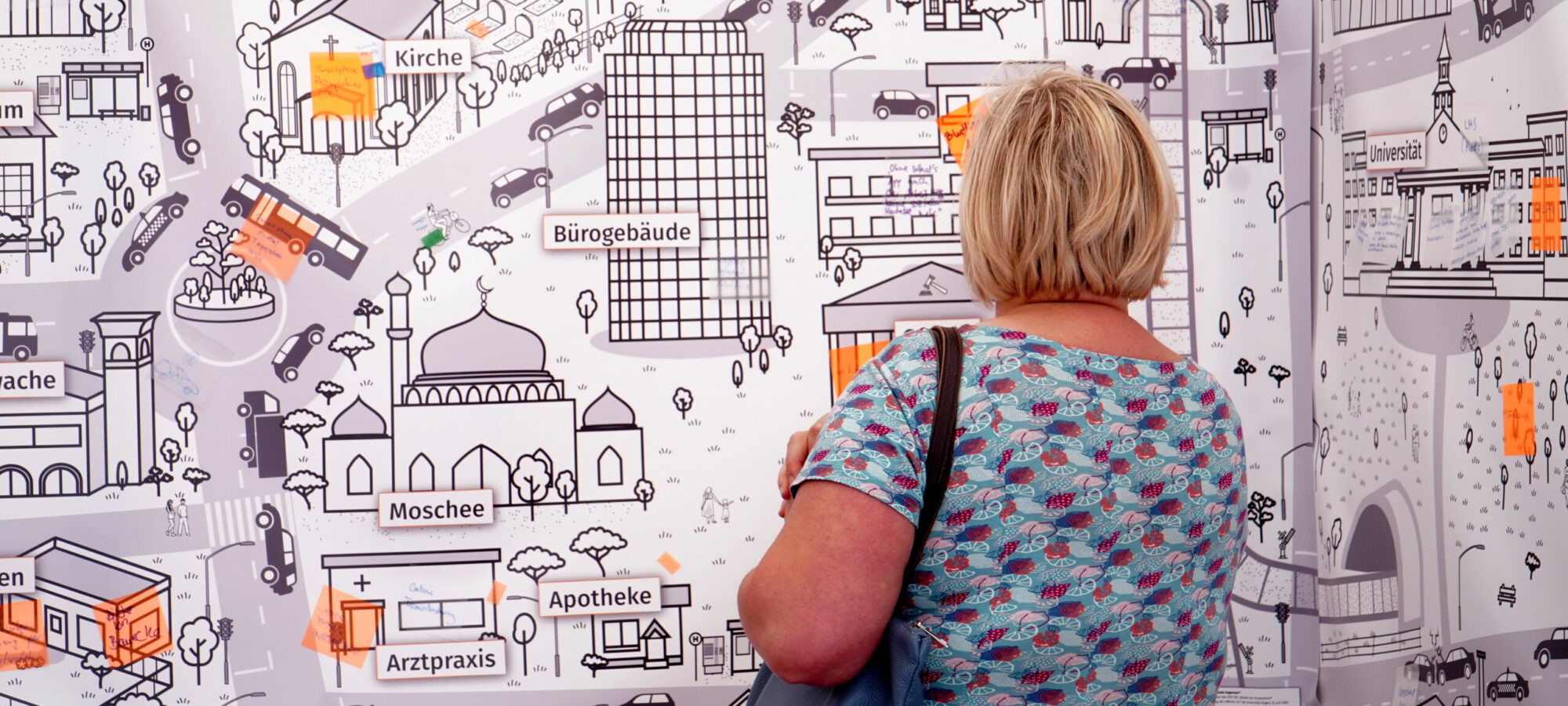
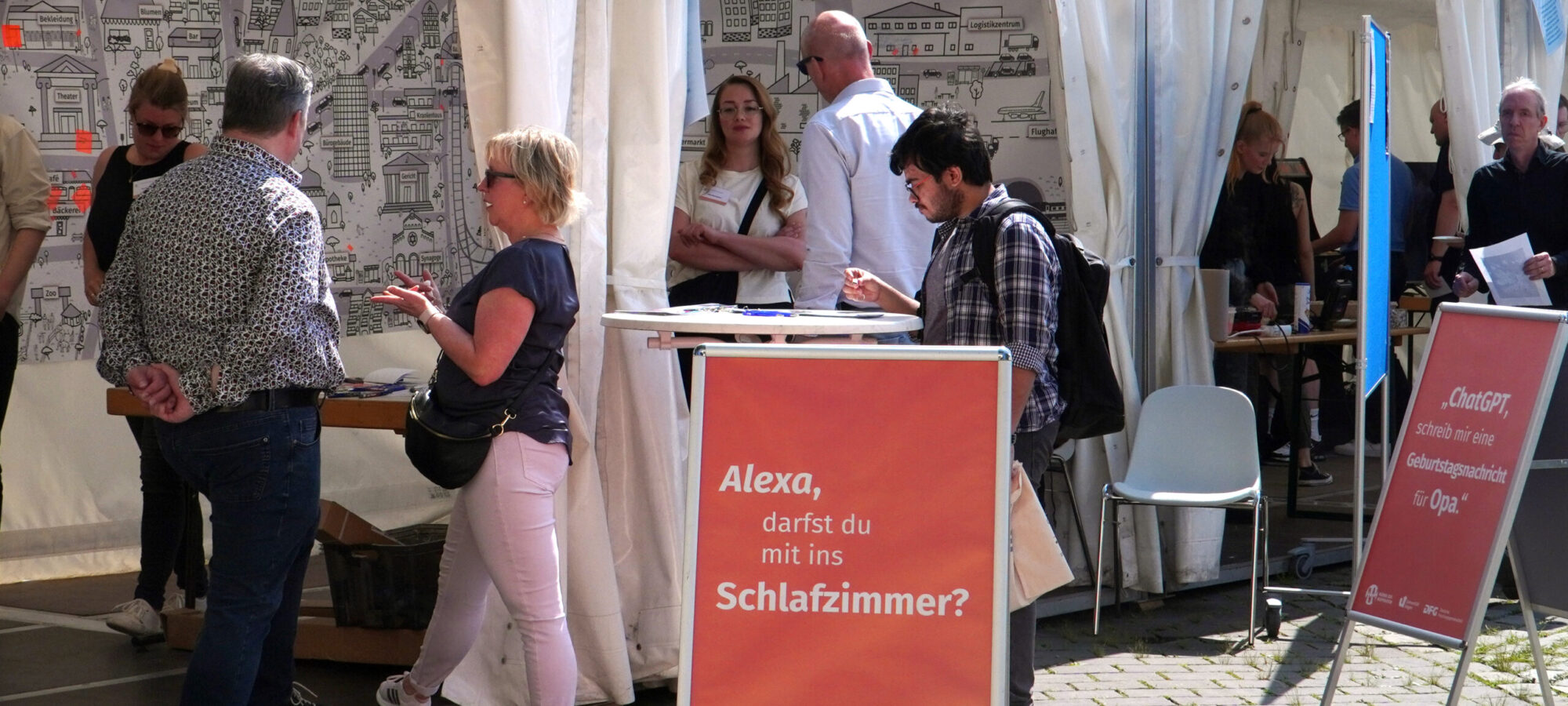
The MEDIA EXTRACTIVISM Spring School explores, at the intersection of media and cultural studies and activism, how “raw materials” are extracted, used, constructed, imagined, and negotiated in discourse. In doing so, it examines the complex interweaving of materiality, media representation, imagination, and the social attribution of meaning. The goal is to connect academic perspectives with climate policy action, thereby providing new impetus for a critical analysis of media-driven extraction that critically expands the public understanding of sustainability and, in light of the urgency to act, finds ways to address the climate catastrophe.


The Spring School MEDIA EXTRACTIVISM explores, at the intersection of media and cultural studies and activism, how “raw materials” are extracted, used, constructed, imagined, and discursively negotiated. In doing so, it reflects on the complex interweaving of materiality, media representation, imagination, and the societal attribution of meaning.

  • What images, narratives, and frames shape public perceptions of raw materials, energy sources, or sustainable alternatives?
  • How do journalistic, social, and artistic formats portray the fragility and urgency of resources, as well as their creative power of healing and care?
  • Which extractive regimes do algorithmic and cloud-based systems generate or perpetuate?
  • How do we narrate the water, land use, and energy conflicts associated with AI and cloud computing?
  • Where can we mobilize and practice resistance against extractive violence in our everyday lives?


The Spring School invites scholars, activists, and journalists to explore theoretical and empirical approaches to resources as phenomena of media culture. Within the framework of the Spring School, we aim not only to analyze discourses and representations but also to conceive new performative and participatory communication formats. The goal is to connect scholarly perspectives with climate policy action, thereby providing new impetus for a critical analysis of media-driven extraction that critically expands the public understanding of sustainability and, in light of the urgency to act, finds ways to address the climate catastrophe.

We look forward to lectures and workshops with Migration Audio Archive, Jakob Claus, Gerko Egert, Azadeh Ganjeh, Matthias Grotkopp, Mariette Kesting, Frederike Lange, Petra Löffler, Julia Nitschke, Maike Reinerth, Rémi Willemin, and others.

Studierende, Lehrende und ihre Seminargruppen sind – etwa im Rahmen von Exkursionen – herzlich willkommen, an unserer Media Climate Justice Spring School no. 3 in Bochum teilzunehmen. Infos und Anmeldung unter: mail@mediaclimatejustice.org

19 March 2026
New publication: The Book on Credit Cards

History and Theory of  Digital Payment

by Sebastian Gießmann (Universität Siegen, SFB)

In his latest publication, Sebastian Gießmann demonstrates how seemingly mundane practices—such as paying at the supermarket or via an app—transform into complex media practices. Digital payment emerges not merely as a technical innovation, but as a political arena in which issues of consumption, control, and the future of cash are being renegotiated.

About the Book

Cash or card? Or perhaps an app or blockchain? Sebastian Gießmann’s fast-paced history of the credit card takes us into the hidden worlds of digital payments. For the first time, it reveals how our digital present in North America began with a small plastic card, what magnetic stripes and chips actually mean, and how Europe could one day become a leader in digital payments. Gießmann elegantly guides readers into the secret inner workings of banks, credit card organizations, and computerized high-tech security. He acknowledges the everyday nature of transactions as well as the absurd “true crimes” of credit card fraud. The Credit Card Book explores the truth behind advertising slogans, company logos, and TV commercials. How we pay is political. Social participation and difference, consumption, financial surveillance, the future of cash: nothing less than our economic identity is at stake in digital payments.

“A brilliant study in media and cultural studies—methodologically groundbreaking and empirically rigorous.” – Anna Echterhölter


About the author

Sebastian Giessmann is a senior lecturer in the Department of Media Studies at the University of Siegen and PI of  A01 “Digital Network Technologies between Specialization and Generalization” of the Collaborative Research Center 1187 – “Media of Cooperation.”

Newer Entries 1 / 18 Older Entries